



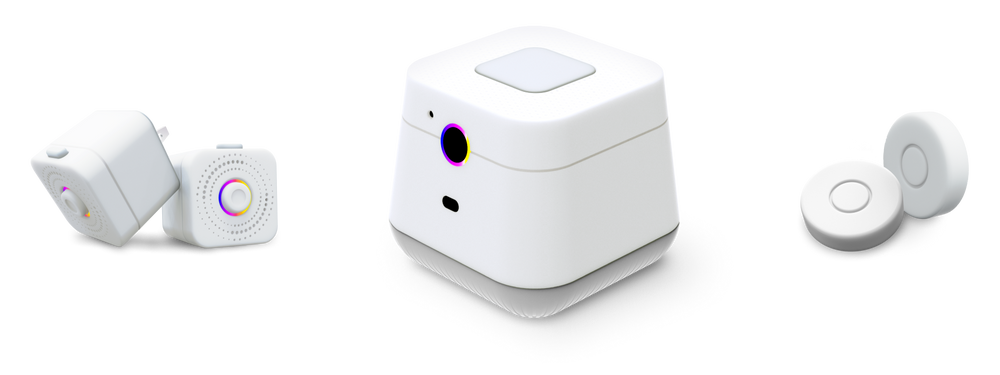

How does the Nomo Smart Care System track medication access without using intrusive cameras?
The innovative equipment uses subtle motion tags attached to specific storage areas like bathroom drawers, pillboxes, or kitchen fridges. When the drawer is physically opened, a quiet wireless signal is immediately sent to the central internet hub. This action confirms the prescription was accessed precisely on time without ever recording any invasive video or audio footage
What happens if a senior loved one misses a dose or forgets to open their pill organizer?
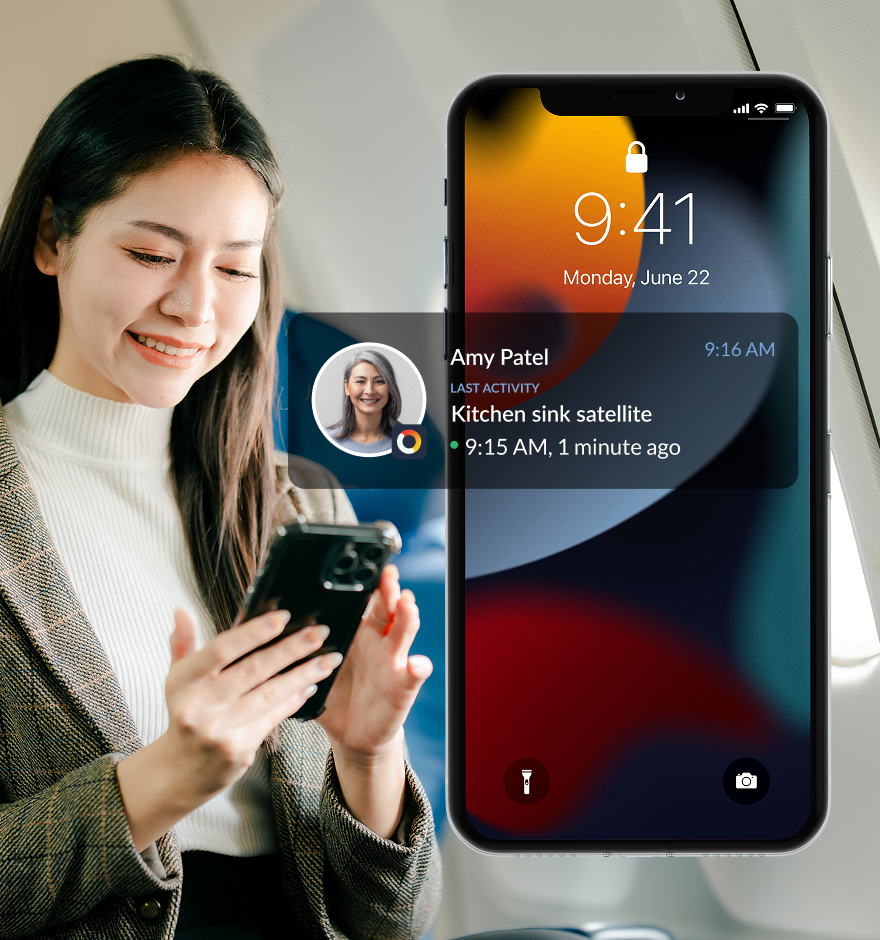
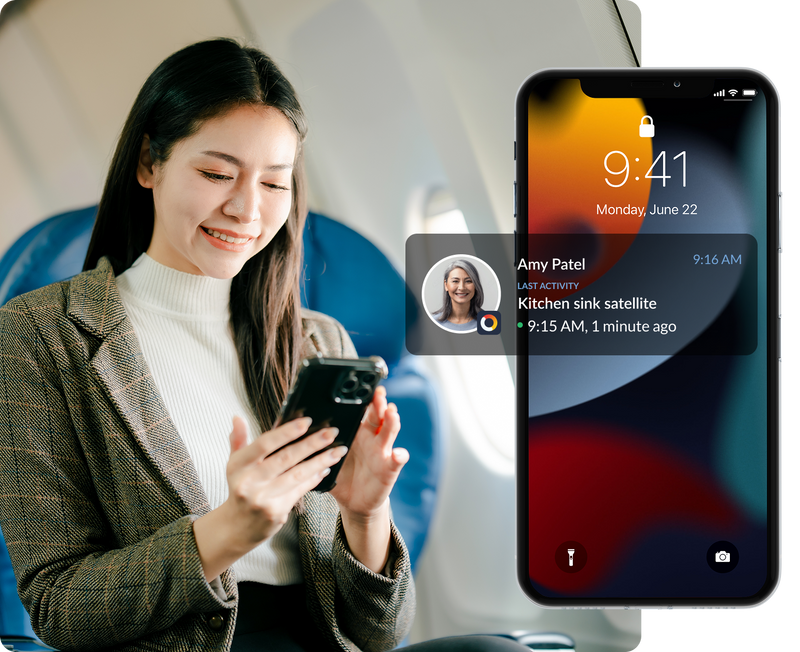
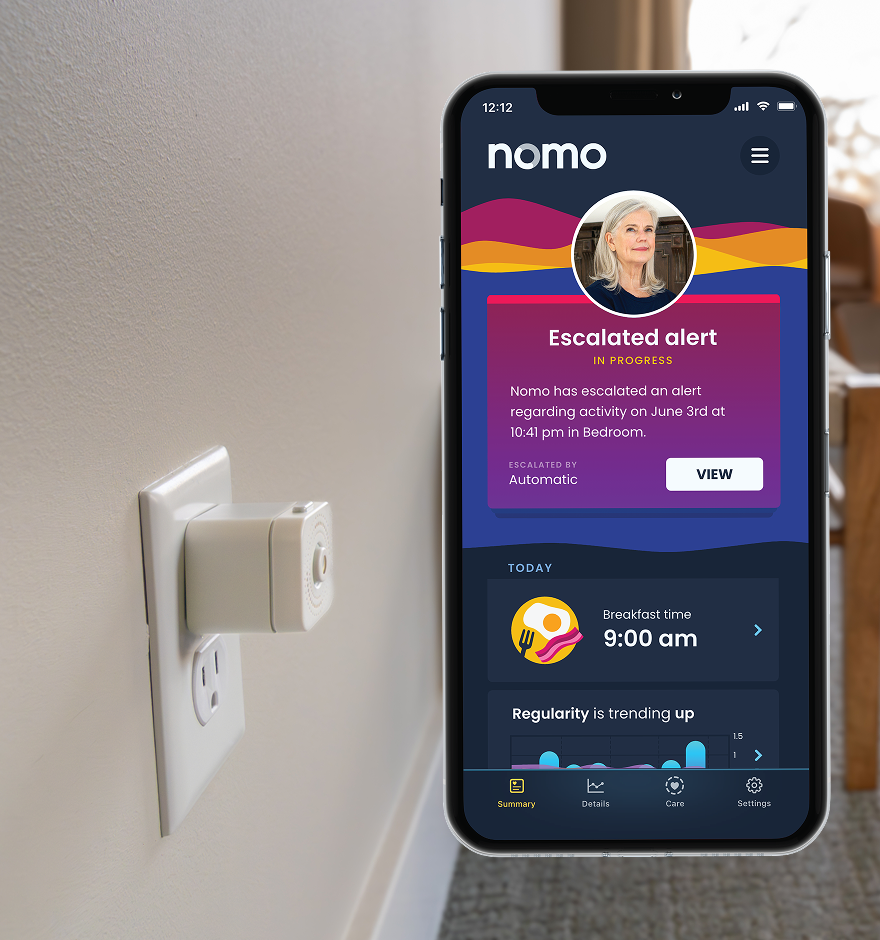
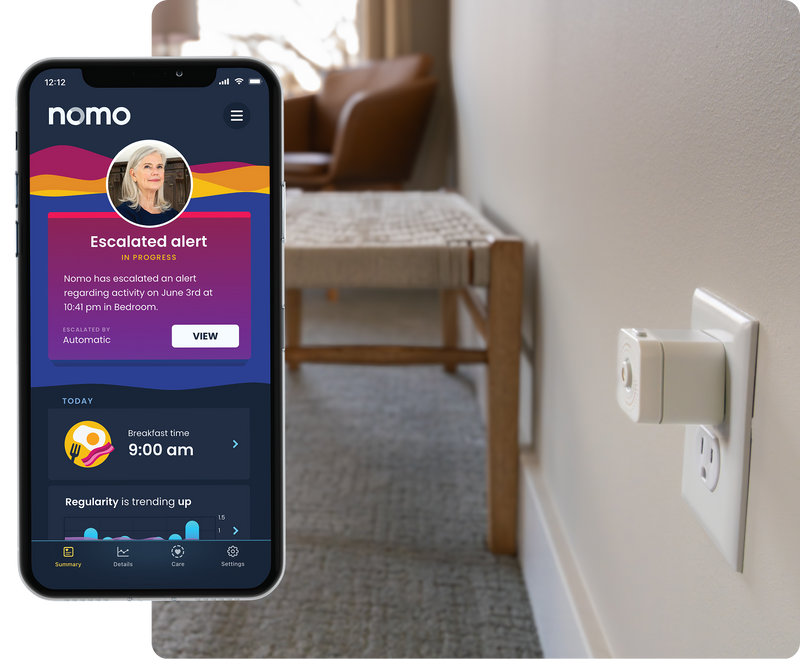
The advanced artificial intelligence recognizes that a regular, expected activity window has passed without any registered movement from the sensors. It will instantly push a <a href="https://nomosmartcare.com/pages/nomo-caregiver-alert-system" title="Nomo Caregiver Alert System">priority alert directly to the connected mobile application</a> on your smartphone. This smart feature allows you to call your relative immediately and provide a gentle, timely reminder before health complications arise.
What happens if a fall is detected while the caregiver's phone is turned off?
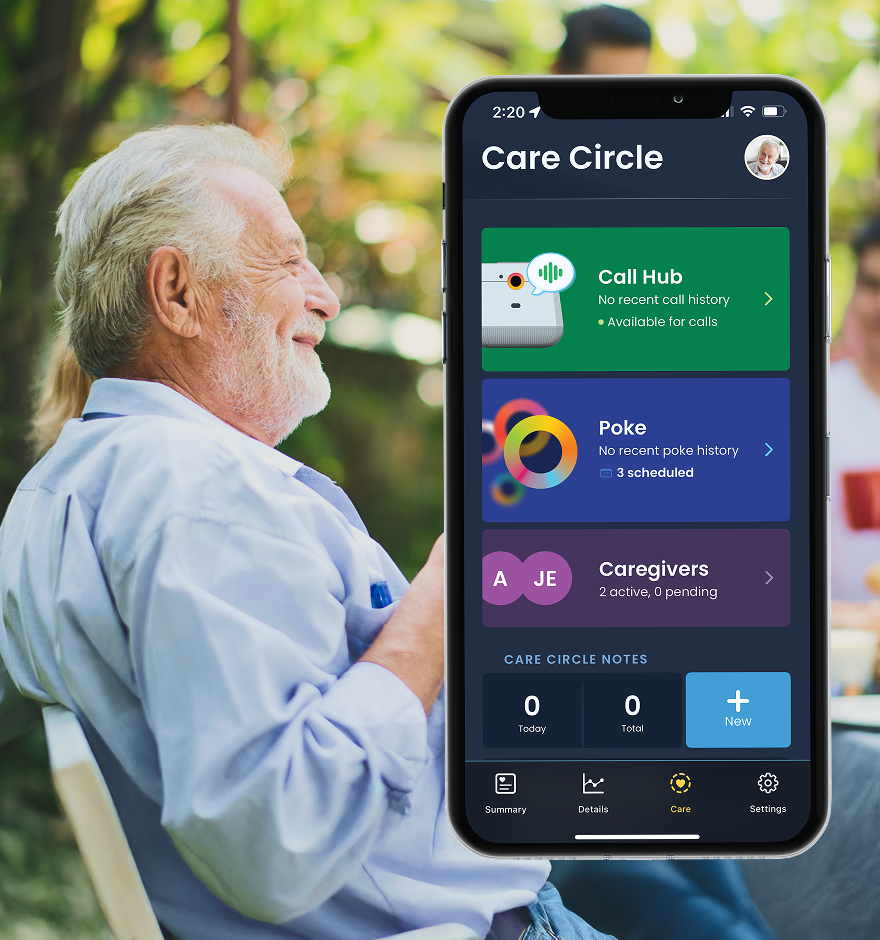
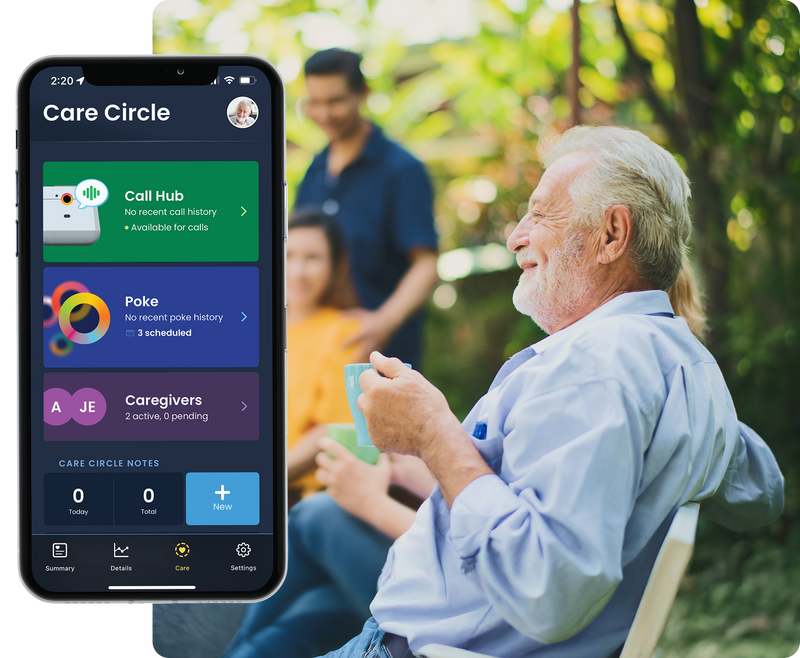
The system is built for redundancy within your "Care Circle." If one caregiver is unavailable or their device is off, the Nomo Smart Care System sends the alert to all other invited members simultaneously. This collaborative approach ensures that even if the primary contact is unreachable, others in the family or neighborhood can step in to provide support, making it a dependable backup for independent living.
Can the system help if a fall occurs but the senior is in a different room than the Hub?
Yes, the Nomo Smart Care System uses a network of Satellites to ensure whole-home coverage. These Satellites communicate back to the central Hub, meaning that senior fall detection remains active in every room where a sensor is placed. This mesh-style network ensures that the caregiver aid is never out of range, even in multi-story homes or larger layouts where a single device wouldn't be sufficient.
Does the system monitor the speed of movement to tell if someone is running or falling?
The Nomo Smart Care System utilizes advanced algorithms that analyze velocity and impact force. Unlike basic motion sensors, it is designed to recognize the specific "signature" of a rapid descent followed by impact. This allows the senior fall detection to be highly reliable by distinguishing between an intentional quick movement, like sitting down on a couch, and a high-risk event that requires immediate caregiver attention.
How does Nomo determine whether a motion event qualifies as a fall rather than normal movement?
Nomo analyzes multiple motion data points, including speed of descent, angle of change, impact force patterns, and post-event inactivity. The system evaluates whether the movement matches common fall signatures rather than routine actions like sitting or bending. While Nomo strives for accuracy, it’s always best to err on the side of caution especially when dealing with the well-being of a loved one.
Are fall detections triggered only by wearable tags, or can non-wearable sensors detect falls too?
No, only the tags allow for automatic fall detection. Without the tags, Nomo Smart Care can aid with detecting unusual movements during unusual times, but it will not detect falls unless the tag is being worn.
How quickly are caregivers alerted after a fall is detected?
Alerts are sent in real time through the Nomo app. Caregivers typically receive notifications within seconds of the system classifying an event as a likely fall.
Can false alarms be filtered or suppressed (for example, due to pets or dropped objects)?
It’s possible that Nomo sends an inaccurate notification. To align with the company's mission, a false notification will be prioritized over a missed notification. In addition, the system features sensitivity settings so that you can help control notifications based on just how cautious you want to be.
Does Nomo distinguish between different types of falls (e.g. from standing vs. slip vs. seated)?
While Nomo primarily focuses on identifying fall-like motion events, its analytics consider movement origin and trajectory. This helps differentiate between gradual sitting and sudden slips or collapses.
What conditions (e.g. sensor placement, distance) affect fall detection accuracy?
Nomo Smart Care is designed for accuracy. The proper setup is important to ensure accuracy. System accuracy can be influenced by sensor placement, lines of motion detection, environmental obstructions, and the distance between the sensory and primary living spaces. Correct installation helps maximize performance.
Is fall detection active 24/7, including during sleep hours?
Yes. The system remains active at all times unless manually disabled in the app.
Can fall detection alerts escalate to 911 or emergency services automatically?
Caregivers can initiate emergency services directly from the app. Automatic escalation options may depend on subscription level and configuration preferences.
How does Nomo notify multiple caregivers about a fall event?
The app allows multiple caregivers to be assigned to a profile. When a fall alert occurs, all designated contacts receive push notifications simultaneously.
Does the Nomo Smart Care System have any other Uses?
Yes! The Nomo Smart Care System is a versatile tool for aging in place. You can learn more about its capabilities for senior fall detection, elderly medication tracking, bed exit alarm, caregiver alert system, home monitoring systems for the elderly, elderly fall detection, and room monitor for elderly care.
What actions can caregivers take in the app following a fall alert (e.g. verify status, silence alert, call for help)?
Nomo Smart care can pair with apps that can deliver notifications including event details, direct contact with the senior, and the ability to initiate first responders.