



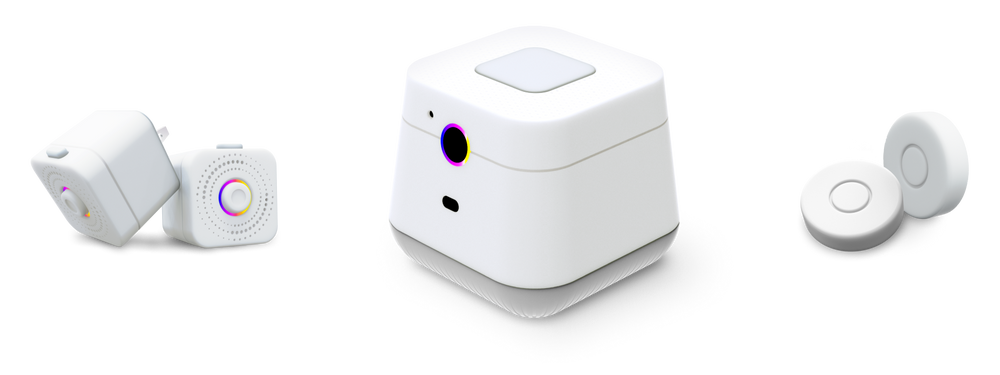

How does the system help if a senior becomes confused about whether they already took their pills?
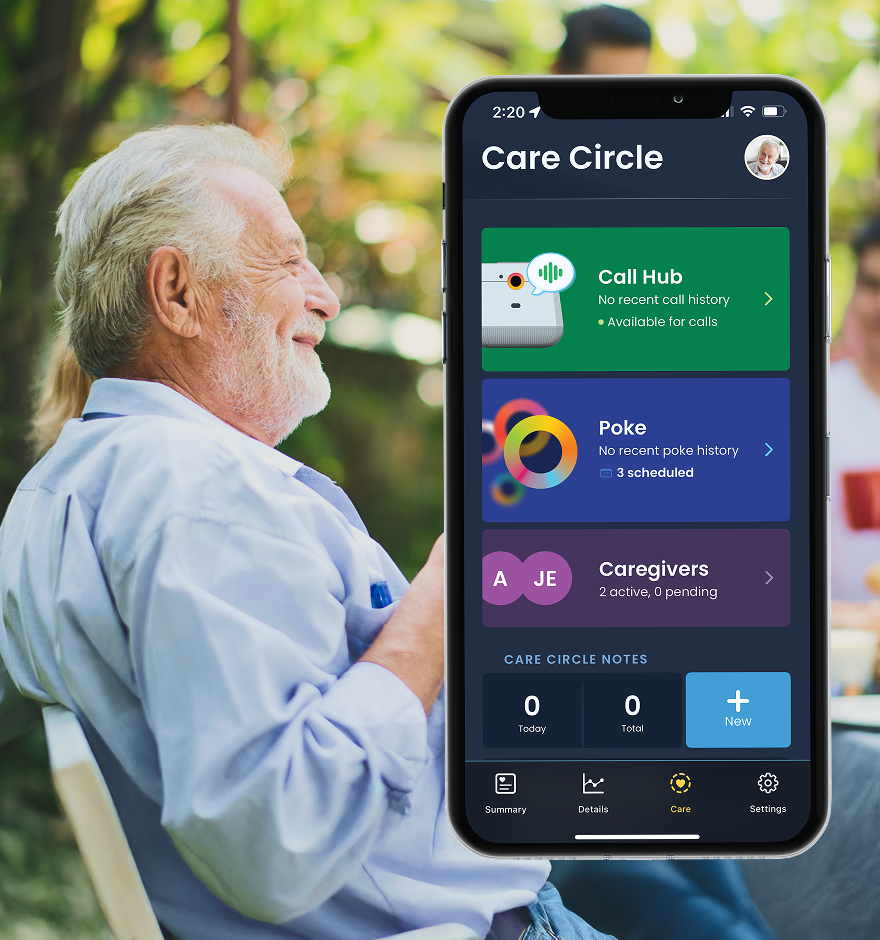
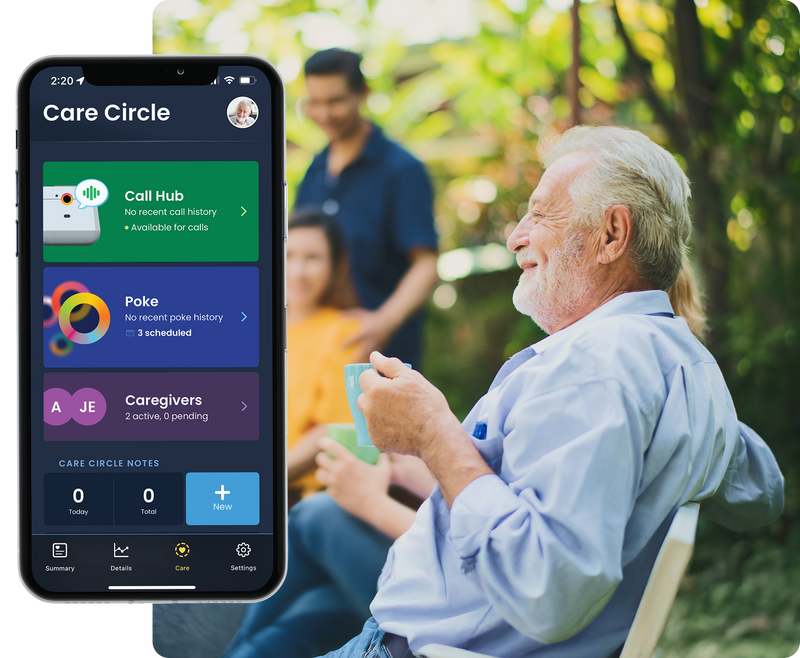
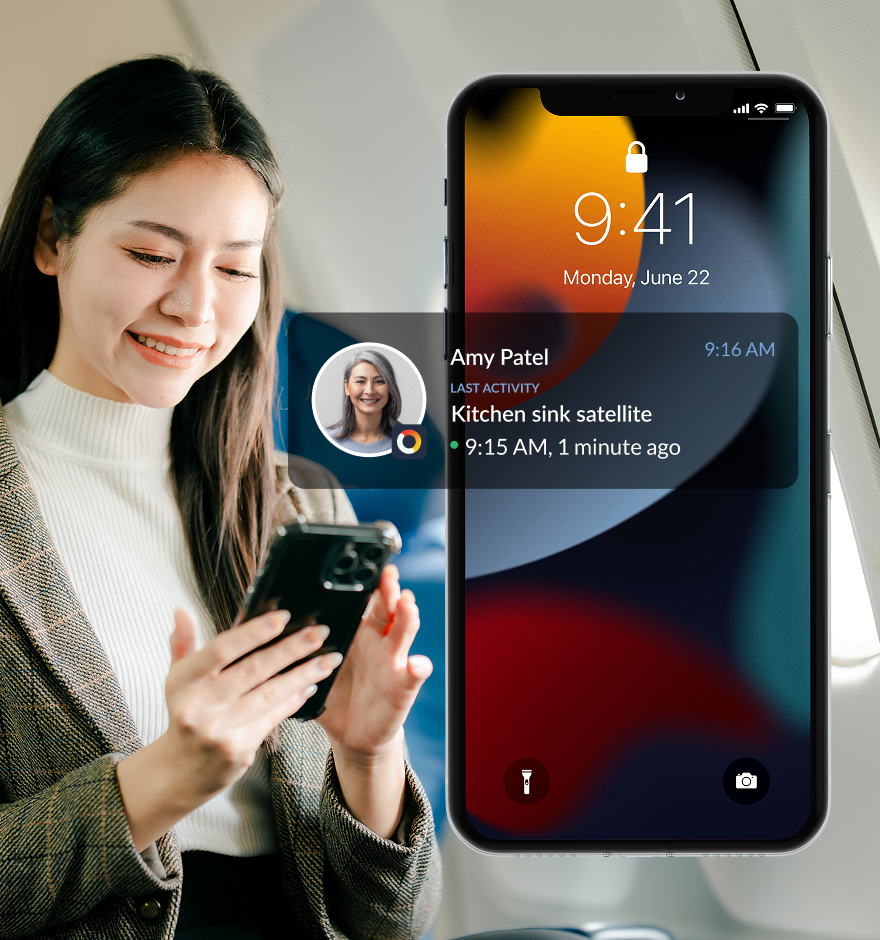
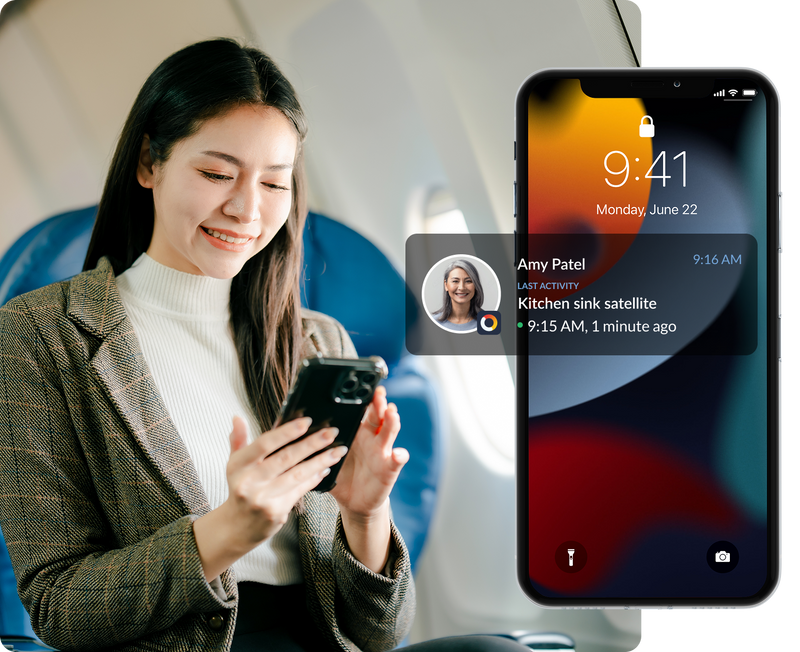
If a loved one is unsure if they’ve taken their dose, the caregiver can quickly check the Nomo app to see if the cabinet Tag was triggered at the usual time. This allows the caregiver to provide immediate, calm reassurance over the phone or the Hub's two-way voice feature. It turns the Nomo Smart Care System into a collaborative communication tool that supports memory without the stress of constant physical supervision.
Does the app provide a summary for me to show to a visiting nurse or doctor?
The Nomo app keeps a historical record of all routine activities, including when medication areas were accessed. You can easily scroll through the history to provide a factual account of adherence patterns. This data helps medical professionals understand the senior's daily habits more clearly, allowing the Nomo Smart Care System to bridge the gap between home life and professional care without ever "tracking" the person's private movements.
What if the senior moves their pillbox to a different room; will the tracking stop?
The system is most effective when the Nomo Tag is attached to the pillbox itself or the specific drawer where it is kept. Because the system uses a wireless mesh network, the Tag will continue to communicate with the Hub from different areas of the house. This allows the Nomo Smart Care System to maintain its role as a consistent caregiver aid even if your loved one prefers to take their medicine in the kitchen one day and the bedroom the next.
How does the system handle "as needed" (PRN) medications versus daily ones?
While the system excels at identifying deviations in daily routines, it also provides a live activity feed. If your loved one has "as-needed" medication, you can check the app to see if they accessed that specific cabinet or drawer recently. This visibility makes the Nomo Smart Care System a powerful tool for elderly medication tracking, helping you ensure they aren't over-relying on certain medications or forgetting them entirely during times of discomfort.
Can the system track medications that need to be kept in the refrigerator?
The Nomo Smart Care System is highly flexible; its Smart Tags can be placed on almost any surface, including a refrigerator door or a specific chilled container. By doing so, the system can assist with elderly medication tracking for items like insulin or other temperature-sensitive liquids. When the door or container is accessed, the caregiver aid logs the activity, providing confirmation that the routine is being followed without the need for cameras.
Can Nomo directly detect whether someone has taken their medication?
Nomo cannot detect whether someone physically swallowed a pill. Instead, our technology uses highly accurate routine inference. By monitoring when a medicine cabinet, drawer, or pill organizer is opened—and comparing this activity to a learned routine—Nomo identifies when medication access is likely to have occurred. If the expected action does not take place, Nomo flags the deviation to caregivers.
How can I set up Nomo to help track a medication routine?
Nomo is designed to simplify your life, setup included.
- Place a Tag on the cabinet, drawer, or pillbox where medications are stored.
- Allow Nomo a short period to learn your loved one’s natural medication habits.
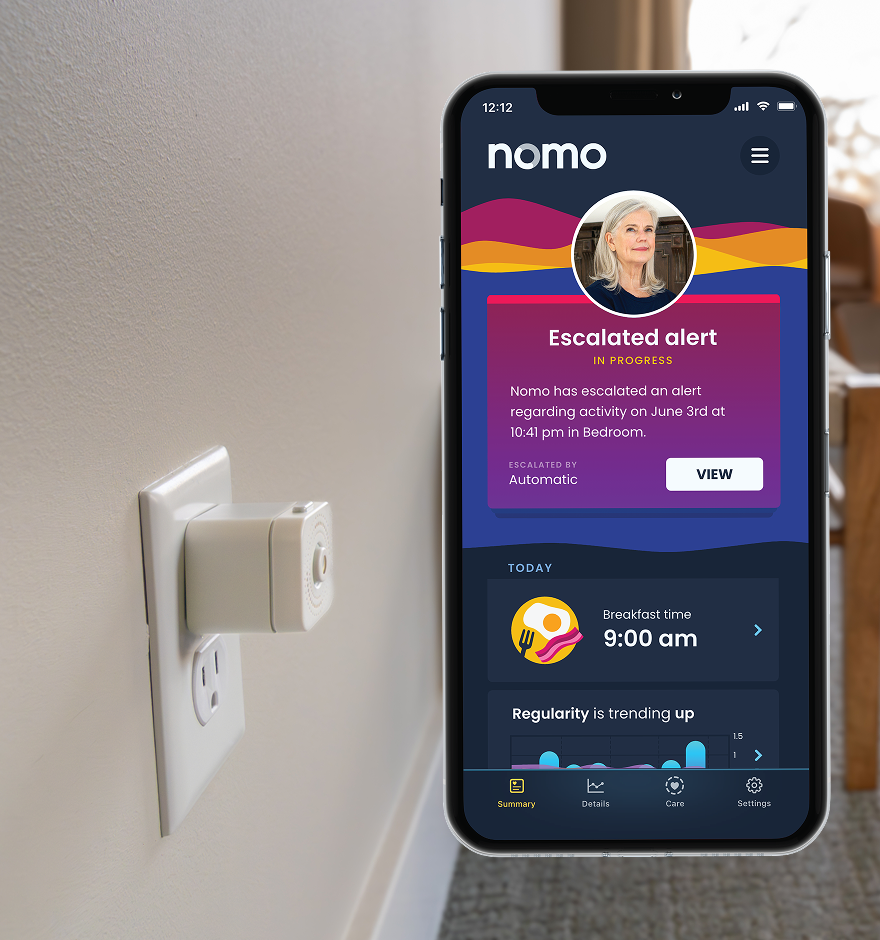
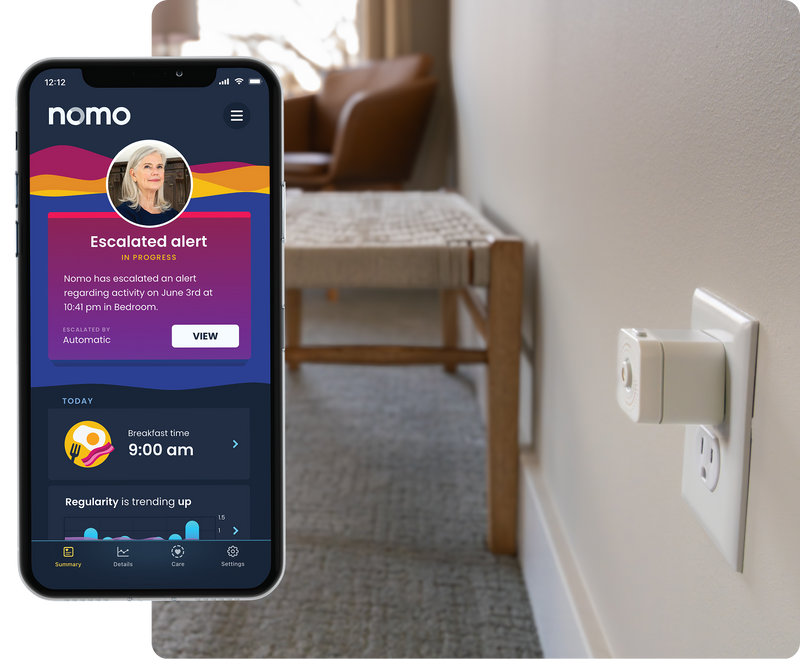
- Caregivers receive notifications within the app if the medication-access routine doesn’t occur as expected.
No programming, scheduling, or complex configuration is required.
What role does placing a Tag on the medicine cabinet play in medication monitoring?
Tags detect movement and access. When placed on a medicine cabinet or pill drawer, the Tag becomes the event “signal” that tells Nomo the medication location has been opened. Over time, Nomo learns the usual timeframes for those openings and uses those patterns to identify missed or delayed doses.
Does the Nomo Hub support medication reminders (alerts)?
While the Hub does not send alerts itself, the caregiver can set up voice reminders in the app to be said through the hub at certain times and days.
For example, if the system expects a medication routine to occur in the morning but detects no cabinet activity, it sends a behavior-driven alert to caregivers. This approach ensures alerts are meaningful, personalized, and tied to actual habits—not rigid schedules.
Can I customize notification thresholds or times for medication alerts?
While Nomo automatically adapts to an individual’s natural medication patterns, caregivers can adjust alert sensitivity within the app. This allows families to choose how early or how urgently they want to be notified if medication routines are missed. These customizable insights make Nomo functionally similar to advanced home monitoring systems for the elderly, but with a stronger emphasis on wellness behavior rather than just emergency response.
How does Nomo use routine behavior to infer missed doses?
Nomo continuously observes activity around the medication storage location and maps this activity into a behavioral routine—typically identifying a 1–2 hour window during which medication is normally taken.
If no Tag activity occurs during this period, Nomo interprets this as a potential missed dose and notifies caregivers. Over time, the system adjusts and refines its understanding as habits evolve.
Can multiple caregivers receive medication-related alerts from Nomo?
Yes. Multiple family members, friends, or professional caregivers can be added to the Nomo Circle. Each person receives real-time alerts for deviations in the medication routine, ensuring shared visibility and coordinated care.
Will Nomo send an alert if the medicine cabinet hasn’t been opened by a certain time?
Yes. If Nomo detects that the medication access point hasn’t opened within the learned timeframe, it will send a behavior-based alert. This helps caregivers intervene earlier—before a missed dose leads to potential symptoms or complications.
Does Nomo integrate medication tracking with other wellness data in the app?
Absolutely. Medication-access patterns are displayed alongside daily routine summaries, movement patterns, bathroom activity, hydration indicators, and sleep behavior. This holistic view helps caregivers better understand whether missed medication aligns with other warning signs.
Does the Nomo Smart Care System have any other Uses?
- Yes! The system offers comprehensive support for various needs. Explore our pages on senior fall detection, elderly medication tracking, bed exit alarm, caregiver alert system, home monitoring systems for the elderly, elderly fall detection, and room monitor for elderly care.
If a dose is missed, how quickly is a caregiver notified via Nomo?
Notifications are sent shortly after Nomo determines that an expected medication-access event did not occur. The exact timing depends on the learned routine, but alerts typically arrive within the same window caregivers would naturally want to be aware of a missed dose.