




Does the Nomo Smart Care system provide active emergency coverage when the user leaves the house?
It is primarily designed for residential safety and localized oversight. The underlying radio frequency technology reliably covers the immediate property perimeter, protecting users during outdoor yard work, gardening, or relaxing porch visits. However, for broader community travel beyond the home boundaries, the companion smartphone application utilizes global positioning tracking. This specific feature allows anxious relatives to verify safe arrivals at distant medical appointments, pharmacies, or grocery stores. It serves as a vital tool for preventing dangerous wandering emergencies frequently associated with progressive Alzheimer's disease
.
How does the fall detection feature on the Nomo Tag work, and is it guaranteed to catch every fall?
The wearable safety pendant utilizes an advanced internal accelerometer to identify the rapid downward trajectory typical of a severe physical collapse. Beyond sudden impacts, it also recognizes prolonged physical inactivity, which frequently happens when a stroke or silent heart attack renders a patient completely immobile on the living room floor. While the engineering behind this equipment is highly sophisticated, no modern technology can capture one hundred percent of tripping events perfectly under all conditions. It serves as a robust digital safety net rather than an infallible guarantee against injury.
If the panic button is pressed on a wearable Tag, where does the two-way voice communication actually take place?
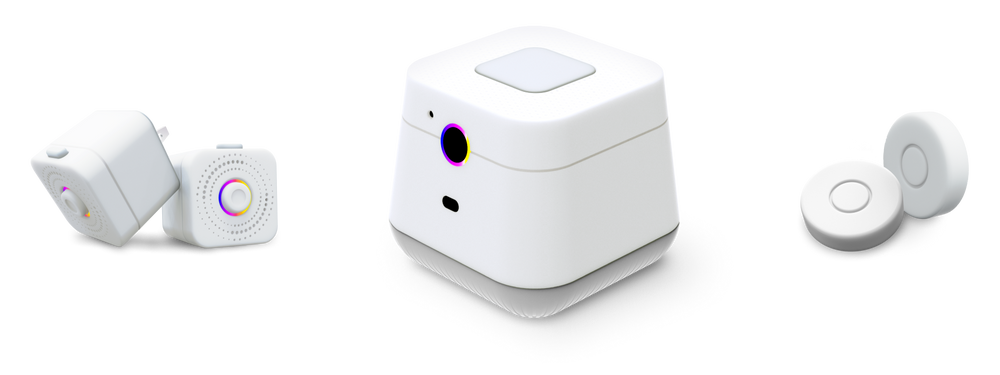
When a senior experiencing severe chest pain or a panic attack presses their wearable device, the actual vocal exchange happens exclusively through the central base station hub. The lightweight pendant itself does not contain a built in microphone or audio speaker. Instead, the central living room unit acts as a highly sensitive, powerful speakerphone. This specific design allows distressed users to speak clearly with their designated support network and receive vital emotional reassurance while waiting for local paramedics to arrive at the scene.
How does the system track daily routines and motion without using intrusive cameras?
Constant visual privacy invasion can trigger severe paranoia and anxiety, especially in dementia patients. To prevent this psychological harm, the entire setup relies exclusively on discreet, camera free movement sensors. These small digital nodes recognize human transitions between different rooms by analyzing ambient motion. By continuously processing these data points over time, the artificial intelligence learns normal baseline behaviors. If a senior stays in bed exceptionally late due to a severe influenza infection, the network recognizes the stark anomaly and notifies the family silently.
What is the exact escalation protocol if an emergency alert is triggered but the primary Care Circle is unreachable?
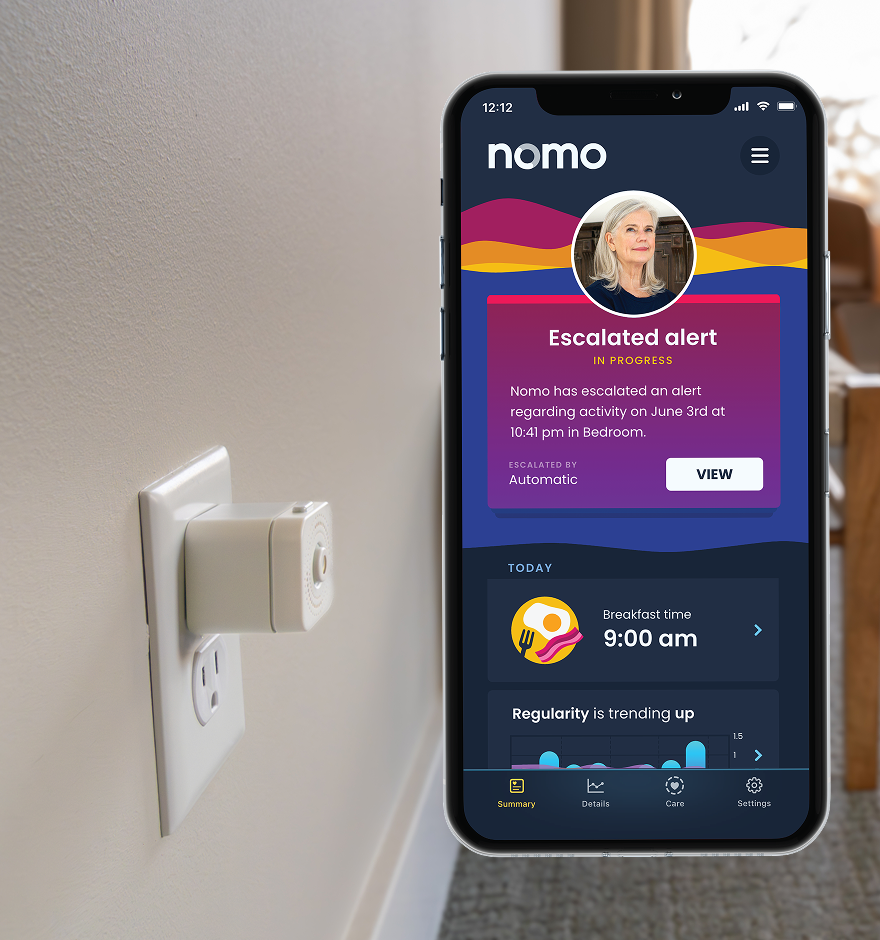
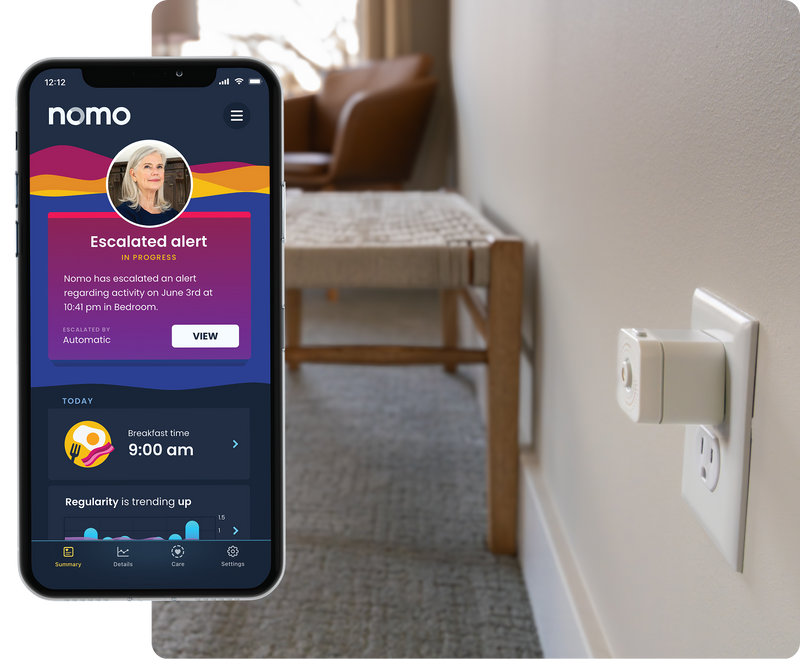
A traumatic brain injury or severe laceration leaves zero time for delayed medical responses. If the emergency button is pushed, the network immediately texts and calls the primary support group repeatedly. If the family fails to resolve the digital notification on their mobile devices, the situation escalates automatically. Professional remote safety agents step in after thirty five minutes of failed communication attempts. These trained live operators will directly dispatch local emergency medical services to the residence if they cannot reach the injured user.