




How does the system monitor daily activity to help identify a higher risk of falling before an accident actually occurs?
The underlying artificial intelligence engine spends time cataloging the standard routines of the individual. It learns their typical waking hours, their regular meal times, and their average activity levels throughout the home. Once this personalized behavioral baseline is firmly established, the software constantly compares incoming live data against these historical patterns. If a person suddenly begins moving much slower than normal, or if they stay in bed significantly longer than their usual routine dictates, the software recognizes this as a potential decline in physical stability. By flagging these subtle early warning signs, family members can intervene, schedule a medical appointment, or adjust the living environment before a severe incident takes place.
What specific sensors are used to track changes in a user's mobility or routine that might indicate a decline in physical stability?
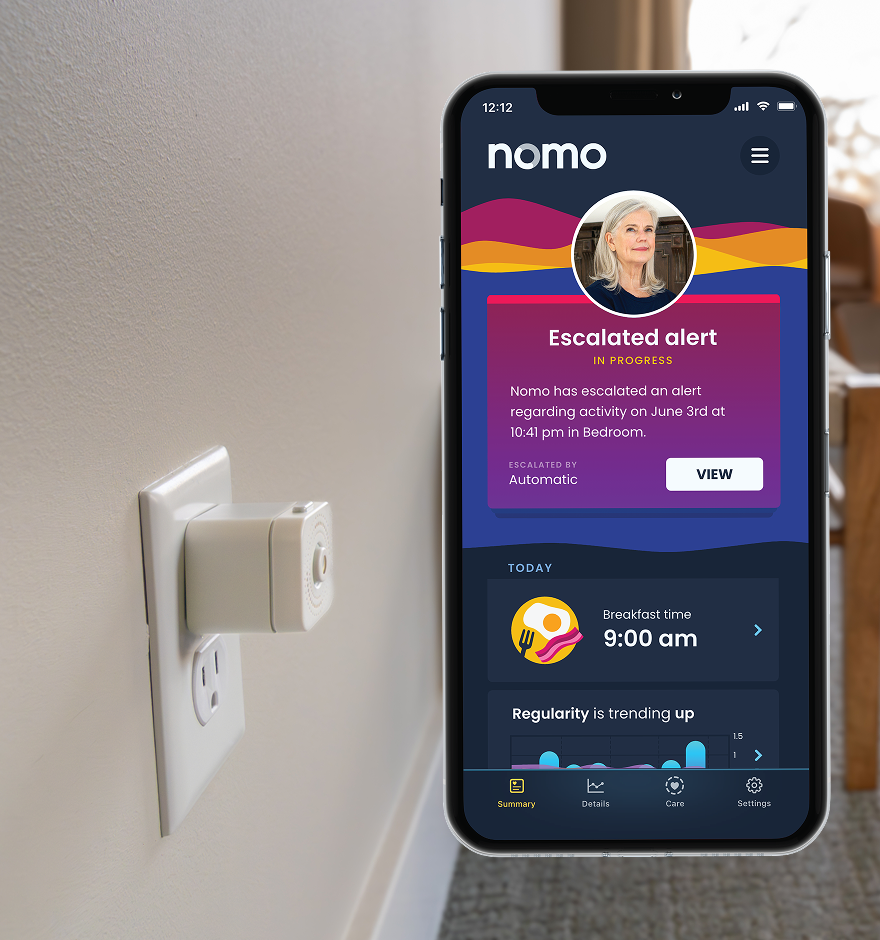
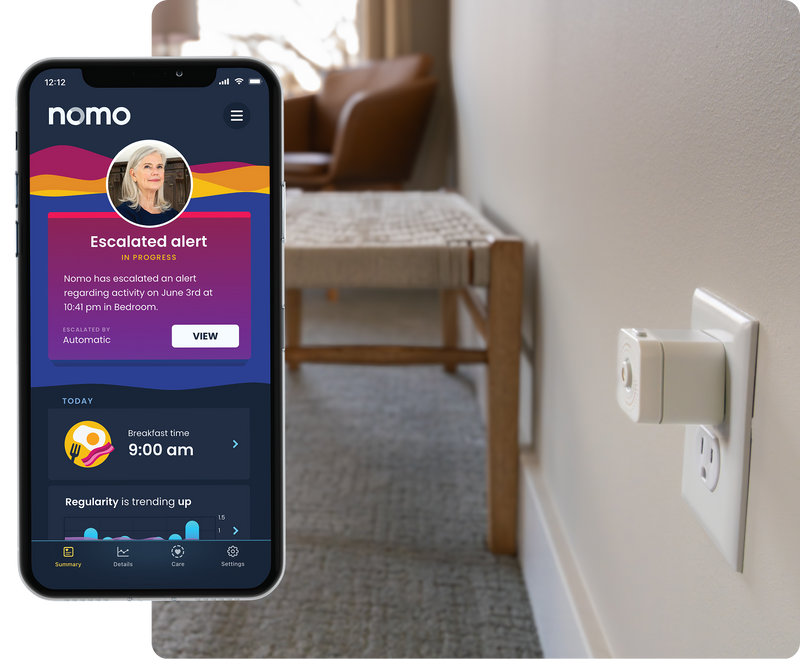
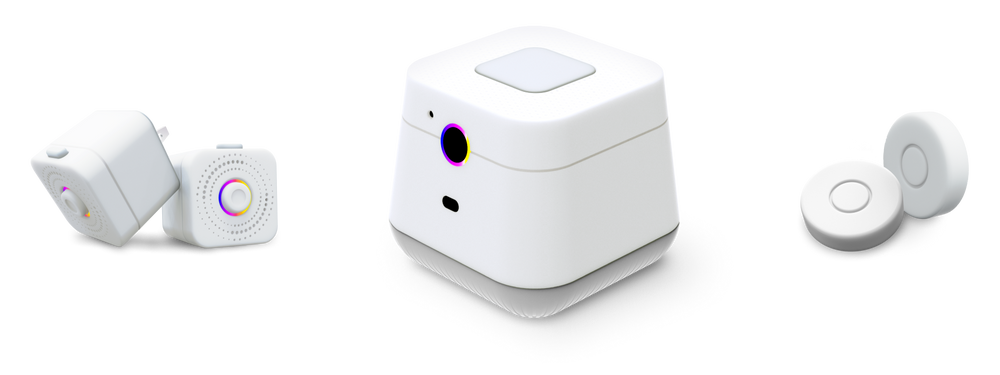
Because the setup operates as a modern cordless smart caregiver fall prevention monitor, it relies on three primary hardware components to track mobility shifts without running hazardous wires across the floors. The main communication hub handles all data processing and internet connectivity. The satellite units plug into standard electrical outlets to measure ambient motion and room transitions without visual recording. Finally, the multipurpose tags are utilized for precise tracking. These waterproof tags can be affixed to pillboxes to track medication adherence, placed on refrigerator doors to monitor nutritional habits, or worn directly on the body to sense sudden downward drops and provide an instant panic button.
How are caregivers proactively alerted to subtle behavioral changes, like increased nighttime wandering or frequent bathroom trips, that often lead to falls?
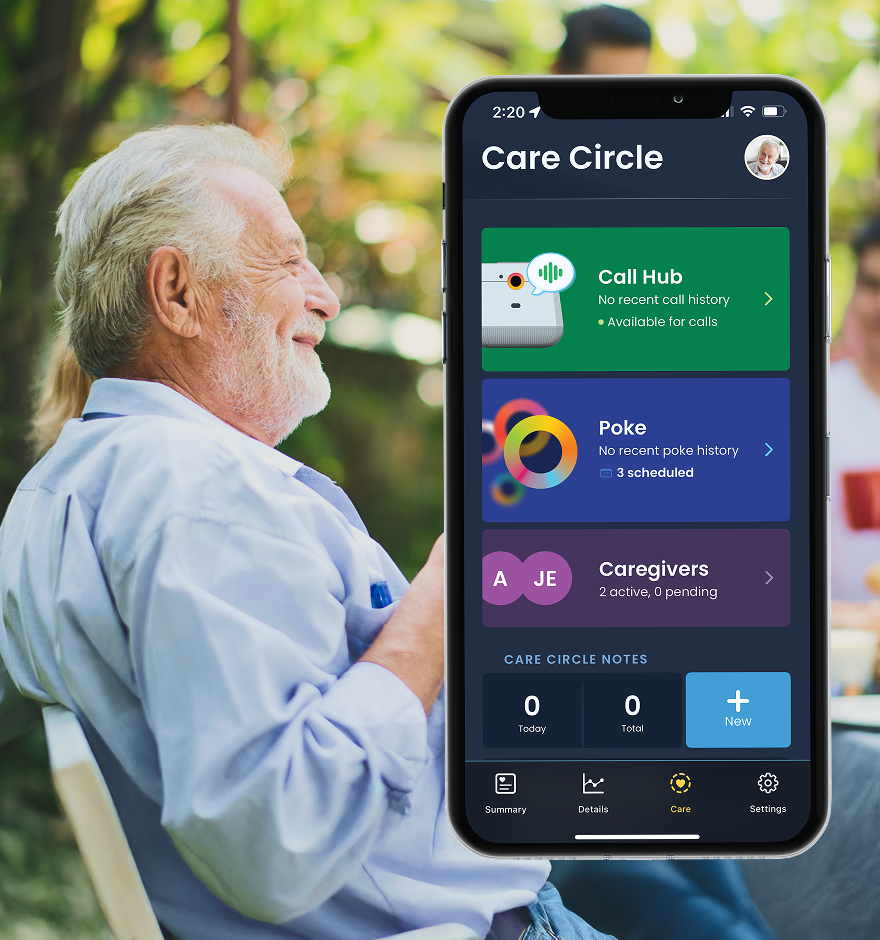
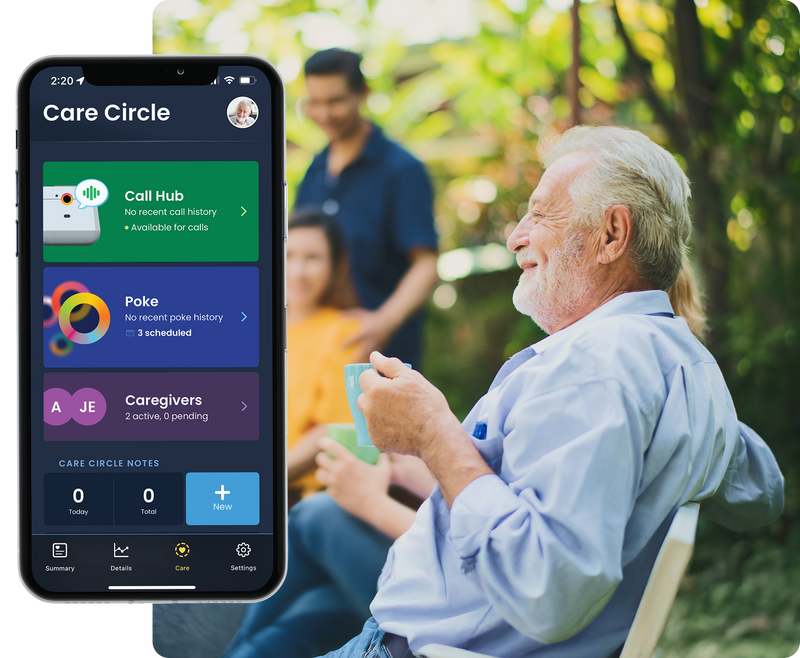
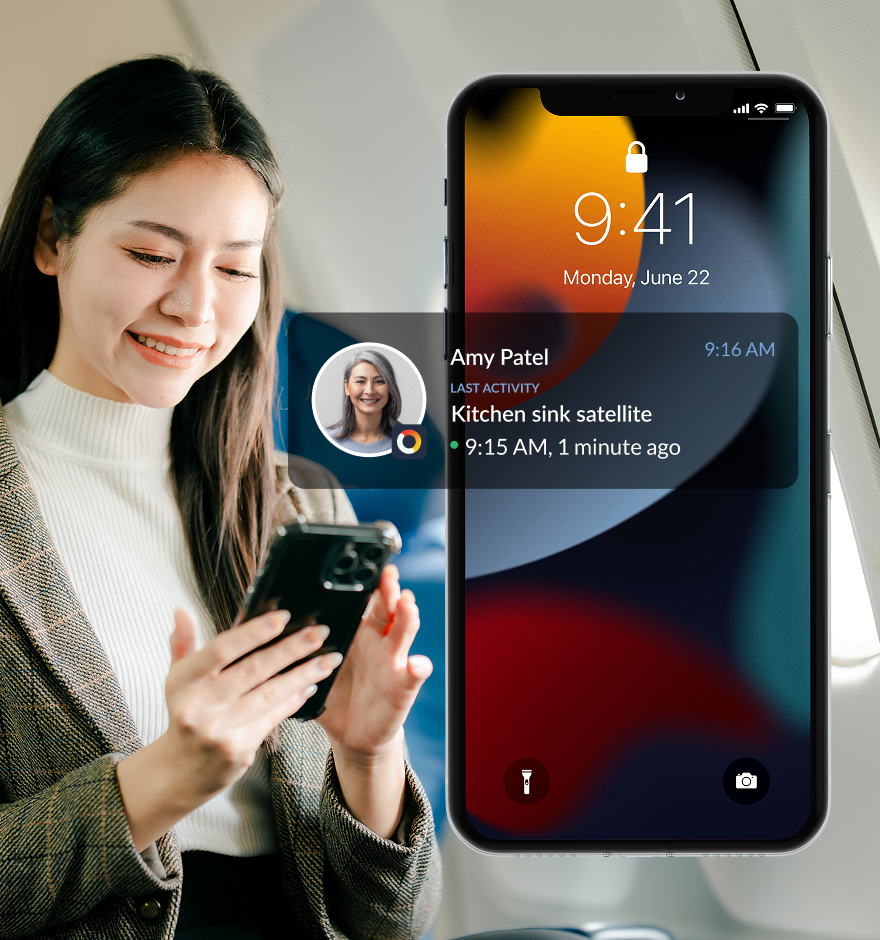
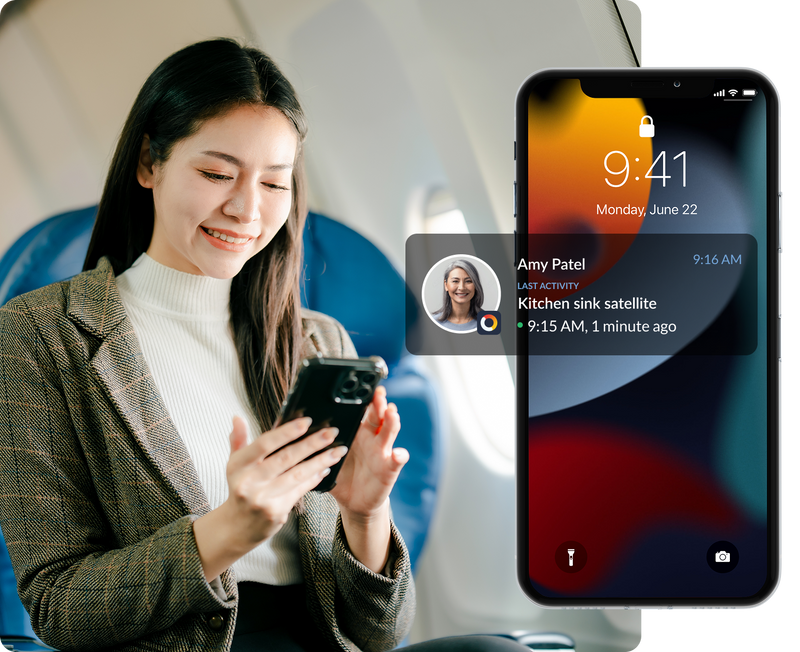
The integrated sensors track when an individual leaves one room and enters another. If the software detects that a user is experiencing severe restlessness, pacing the hallways late at night, or visiting the restroom far more often than their historical baseline suggests, it generates an automatic notification. This specific alert is pushed directly to the smartphone application of everyone in the designated care circle. This immediate digital tap on the shoulder allows relatives to check in on their loved one promptly, addressing potential medical issues, insomnia, or general confusion before these issues result in a midnight stumble.
Can the monitoring system's data be used to generate long-term mobility trend reports to share with doctors or physical therapists?
Yes, generating this long term data is a cornerstone of effective fall prevention home monitoring. The mobile application meticulously logs all historical movement data, sleep disruptions, and daily habit modifications over extended periods. This comprehensive digital history provides medical professionals with a highly accurate picture of the patient's home life. Instead of relying on a patient's memory during a brief clinical visit, doctors and physical therapists can review these objective trends to see exactly how mobility has degraded or improved over the past several months. This factual evidence is incredibly useful for adjusting prescription dosages, modifying physical therapy routines, or recommending new mobility aids.
Does the system allow caregivers to set custom alerts for unusual periods of inactivity that could signal a developing fall risk?
The software features highly customizable duration-based notifications. Family members can easily define specific time limits for different activities within the mobile application. For example, a relative can program the software to send an urgent message if their loved one leaves the bed and fails to return within twenty minutes. If the motion detectors note that the person entered the restroom but did not exit within that designated timeframe, the application assumes a potential crisis has occurred and immediately contacts the support network. This customized threshold ensures that quiet emergencies are never ignored.